Safety. Quality. Environment. Responsibility.
Engineering with discipline. Building with care. Delivering with confidence.
Safe work. Quality work. Responsible work.
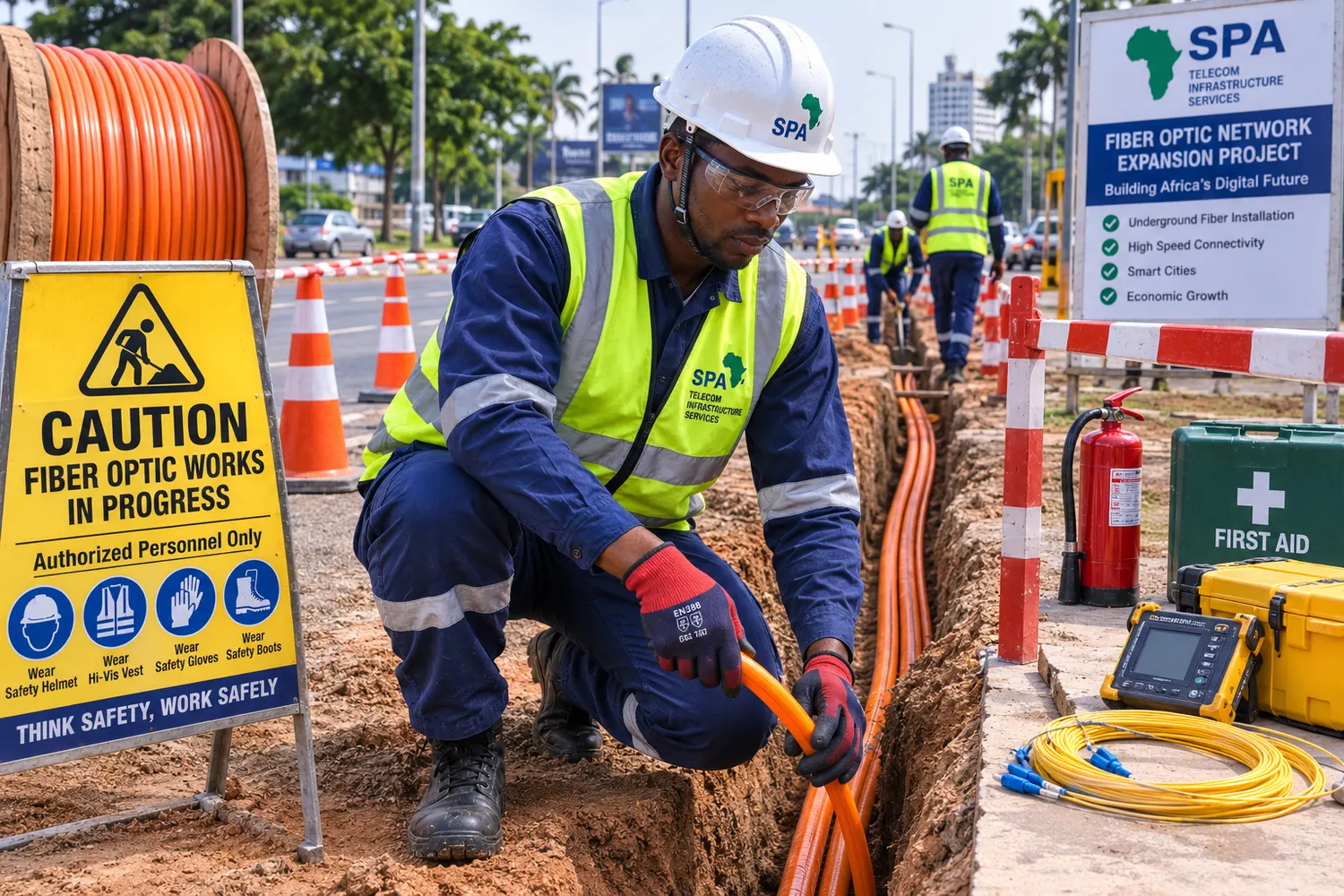
Telecommunications infrastructure is built in real environments.
- On roadsides
- Inside excavation zones
- Around towers
- At active telecom sites
- Inside equipment compounds
- Across remote project locations
- Around electrical and power systems
These environments demand more than technical expertise. They require safe behaviour, quality workmanship, environmental responsibility, competent people and disciplined project control.
HSEQ is not a checkbox. It is part of how we engineer.
Health & Safety
Protecting people through effective controls, awareness, supervision and safe work practices.
Quality
Delivering infrastructure that meets the agreed technical and project requirements.
Environment
Managing our activities responsibly and reducing avoidable environmental impact.
Responsibility
Creating accountability at every level of the project.
Eight areas, applied on every project.
Policy, culture, quality, environment, risk, competency, site safety and compliance — each with what it actually covers in the field.
01HSEQ policyOur commitment starts at the top
Successful engineering delivery must protect people, infrastructure, clients, communities and the environment. Our approach supports disciplined execution through policies, procedures, training, supervision, risk controls, quality checks and continuous improvement.
- People
- Infrastructure
- Clients
- Communities
- The environment
Safety and quality are responsibilities shared across the project team.
02Safety cultureSafety is how we work
Safety does not begin when an HSEQ representative arrives on site. It begins before the vehicle leaves the yard, before the machine starts, before excavation begins, before a technician climbs and before electrical work is undertaken.
- Site induction
- Toolbox talks
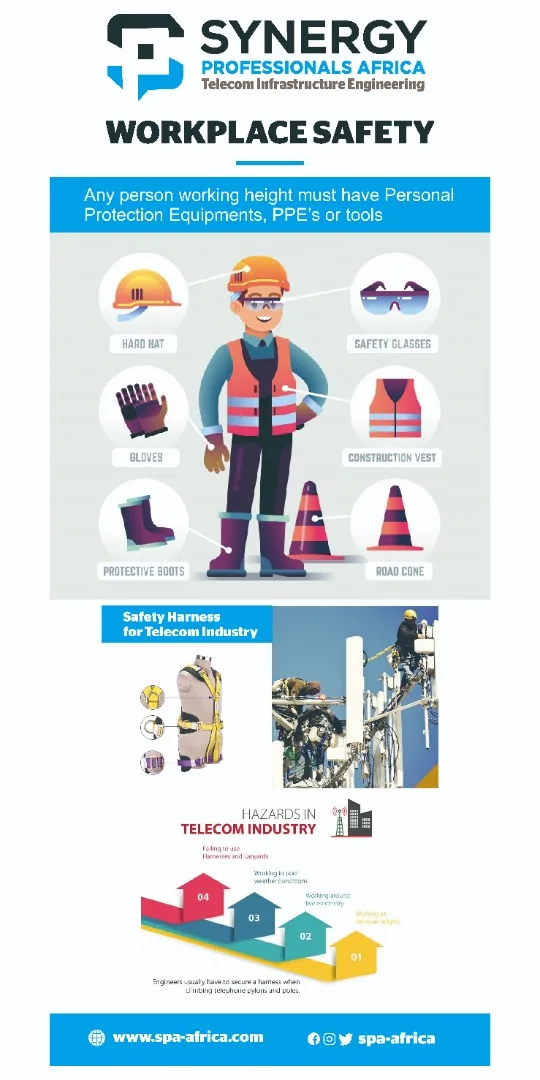
- PPE compliance
- Safe work procedures
- Hazard awareness
- Permit and work control
- Emergency awareness
- Working-at-height controls
- Excavation safety
- Lifting and rigging awareness
- Electrical and power safety
- Traffic and roadside safety
No job is more important than a life.
03Quality managementBuild it right. Check it. Document it.
A fibre cable must be installed correctly. A splice must perform. A foundation must meet its design. A tower must be erected to the approved methodology. A power system must be correctly installed and tested.
- Correct design
- Correct materials
- Competent personnel
- Approved methods
- Proper installation
- Inspection
- Testing
- Documentation
Plan → build → inspect → test → correct → document → hand over.
04Environmental responsibilityBuild infrastructure. Respect the environment.
Telecom projects pass through communities, roadsides, agricultural land, urban environments and sensitive locations. Environmental responsibility runs through execution, not just the permit file.
- Waste management
- Site cleanliness
- Material handling
- Excavated materials
- Dust and noise
- Fuel and chemical handling
- Vegetation protection
- Pollution prevention
- Restoration of work areas
Leave the worksite in a responsible condition.
05Risk managementUnderstand the risk before you manage the work
One location has difficult ground. Another has underground utilities. Another has traffic exposure, tower erection, or electrical hazards. Before work begins, the team must understand what could affect people, infrastructure, quality, schedule and the environment.
- Hazard identification
- Risk assessment
- Method statements
- Job safety analysis
- Pre-task briefings
- Control measures
- Emergency planning
- Incident reporting
- Corrective actions
Good project planning begins with understanding what can go wrong.
06Training & competencyPeople are the first line of control
The safest and most effective project teams are built around competent people. Competency requirements match the activity and the role being performed.
- Technical training
- HSEQ training
- Tool and equipment awareness
- Site induction
- Working-at-height awareness
- Excavation safety
- Lifting and rigging awareness
- Quality awareness
- Emergency awareness
- Refresher training
We do not expect people to perform tasks they have not been prepared or authorised to perform.
07Site safetyWhere HSEQ becomes real
The true test of HSEQ is not the policy document. It is the worksite: the team arrives, the supervisor checks the workfront, hazards are discussed, PPE is checked, the method is confirmed, the excavation is controlled, plant and tools are inspected — and only then does work begin.
- Conditions are monitored
- Changes are communicated
- Quality is checked
- Unsafe conditions are escalated
- Evidence is recorded
- The worksite is secured
- Outstanding issues are identified
- The next activity is prepared
That is what HSEQ looks like in the field.
08Certifications & complianceBuilding trust through discipline
We recognise the importance of applicable standards, client requirements, statutory obligations and project-specific controls. Where certifications apply, they are presented with their actual scope, validity and status.
- Client requirements
- Applicable laws and regulations
- Project specifications
- Approved procedures
- Quality requirements
- Environmental requirements
- Competency requirements
- Audit and inspection
- Corrective and preventive actions
Compliance is not about holding certificates. It is about applying the standard in the field.
Aligned to ISO 45001
Training is one of the most important components of our safety management system. It gives employees the opportunity to learn their jobs properly, bring new ideas into the workplace, reinforce existing practice, and put our Safety and Health Programme into action.
Everyone in the company benefits through fewer workplace injuries and illnesses, reduced stress and higher morale. Productivity, profit and competitiveness increase as turnover and workers’ compensation rates fall.
20 staff trained — 24 August 2022
Health and Safety Awareness Training is conducted in compliance with Vodafone Health, Safety and Wellbeing requirements.
One Million Man Hours
without Lost Time Injury
October 2020 – 30 September 2022
- No major incident
- No fatality
- Incident Frequency Rate target: zero — achieved
From the Health & Safety Achievements report, 30 September 2022. Read the full report
Six pillars, audited.
- 01
Accountability through Leadership
Top management implements OHS policy and procedures; senior managers walk OHS tours.
- 02
Build a positive Safety Culture
Full implementation and monitoring of OHS tenets, with adequate resources allocated.
- 03
Collaborate with Procurement
Procurement OHS standards applied, with an OHS plan in place for all high-risk activities.
- 04
Develop OHS Capabilities
OHS training for everyone involved in high-risk activities, backed by a communication plan.
- 05
Sharing and Learning
Best practices mirrored and adopted from other markets.
- 06
Robust Governance and Assurance
Monitoring across all high-risk activities and an audit programme of internal operations.
Training delivered
- Health & Safety induction and awareness
- Fall protection / working at height
- Fire safety and fire fighting
- Defensive driving
- First aid
Top Management Site Tour
Leadership presence on live sites is a standing assurance practice — fire response drills, equipment checks and documentation review, walked with the crews who do the work.
Select any photograph to enlarge. Use the arrow keys to move through the gallery, Escape to close.
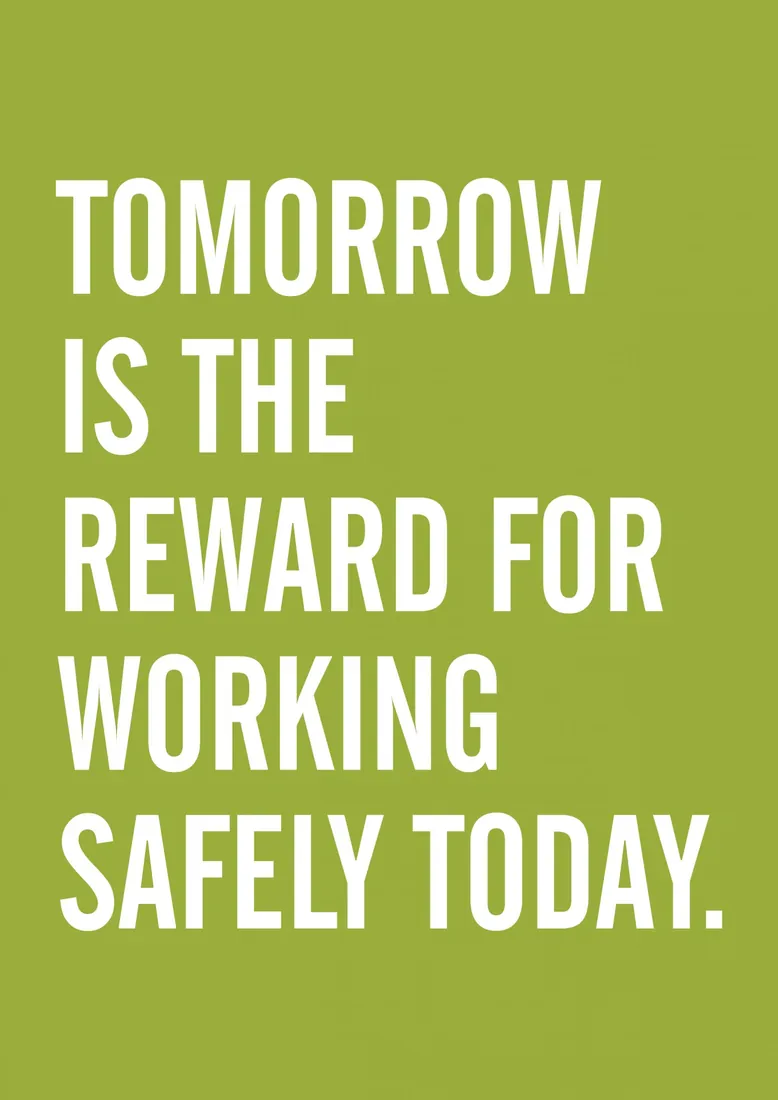
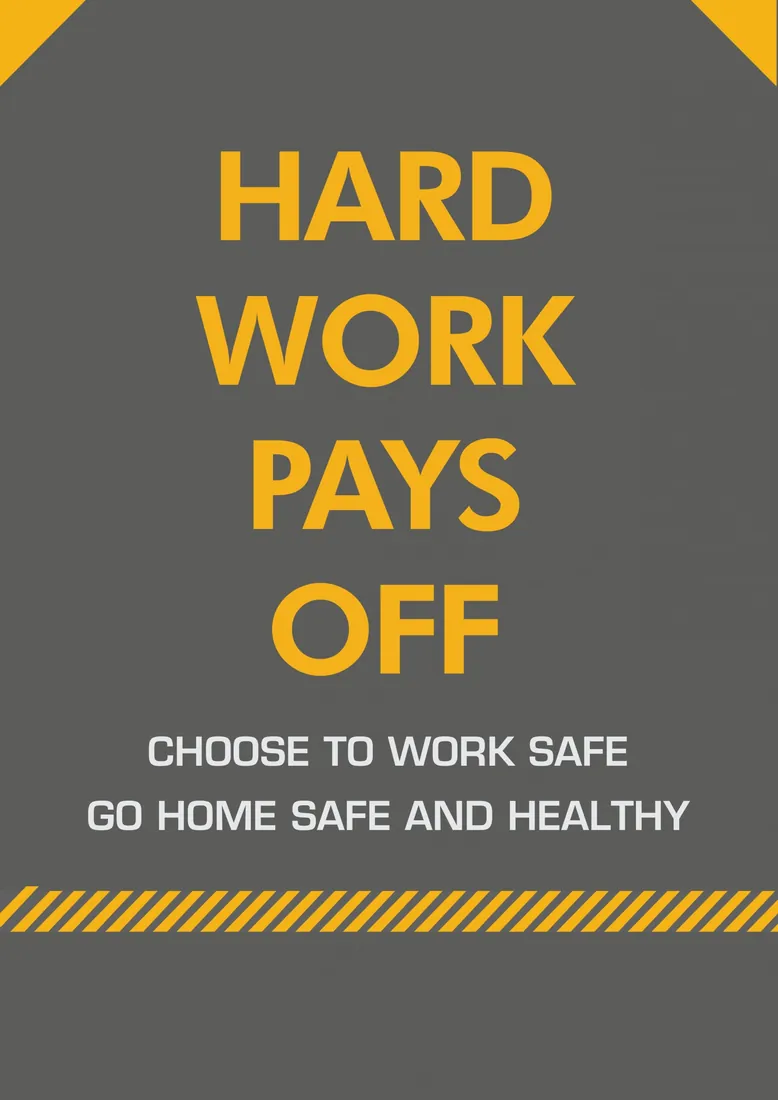
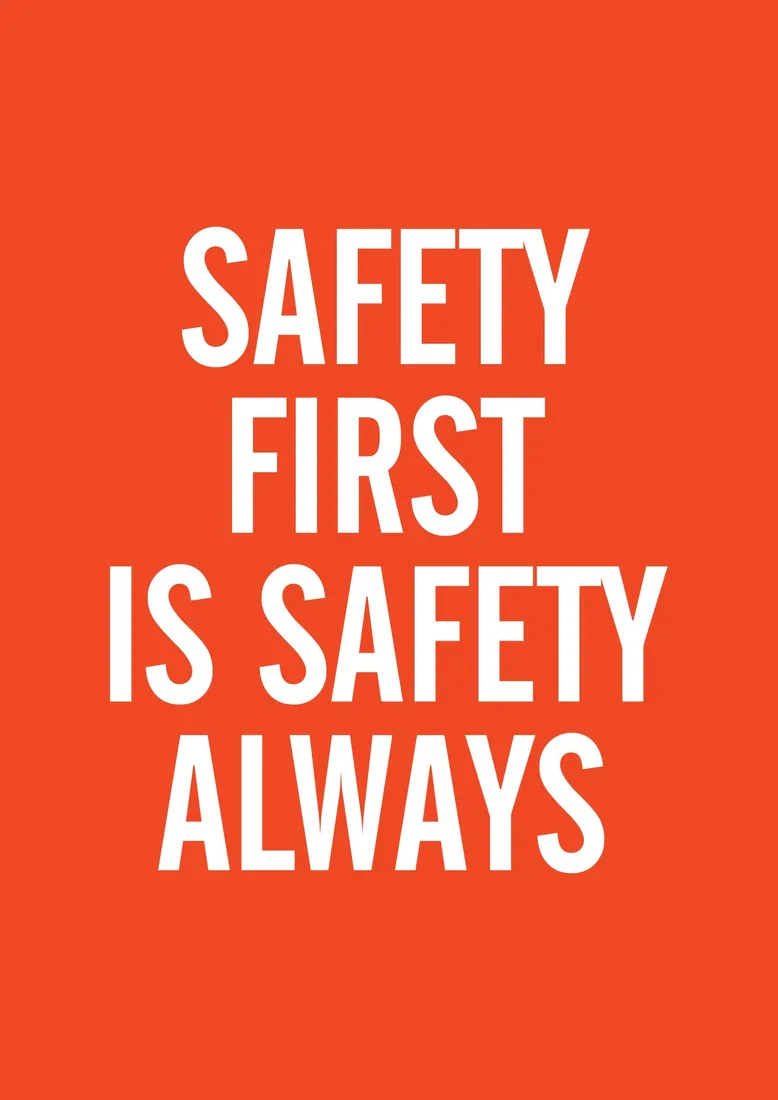
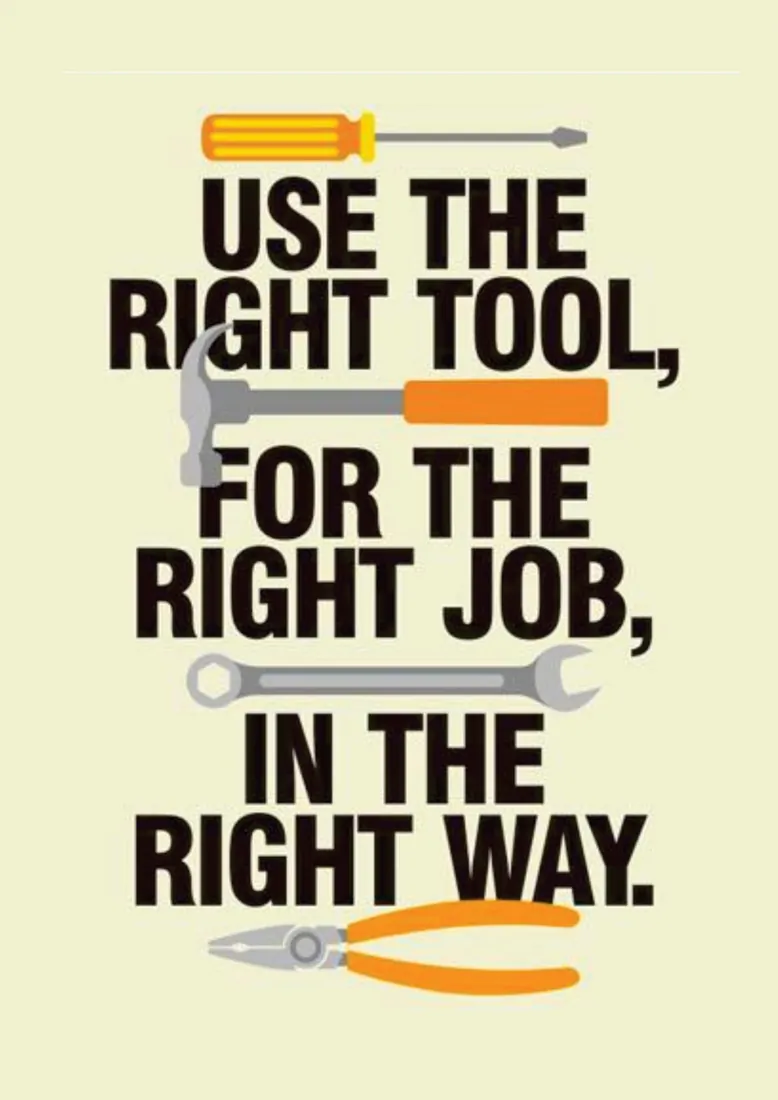
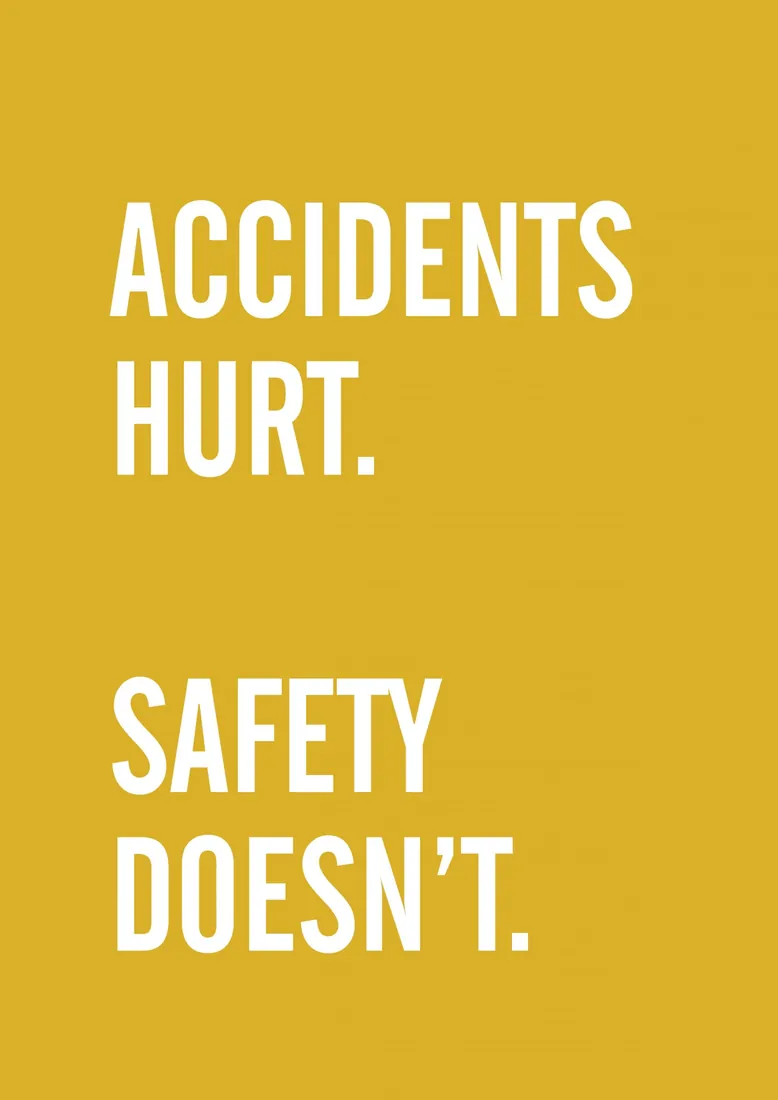
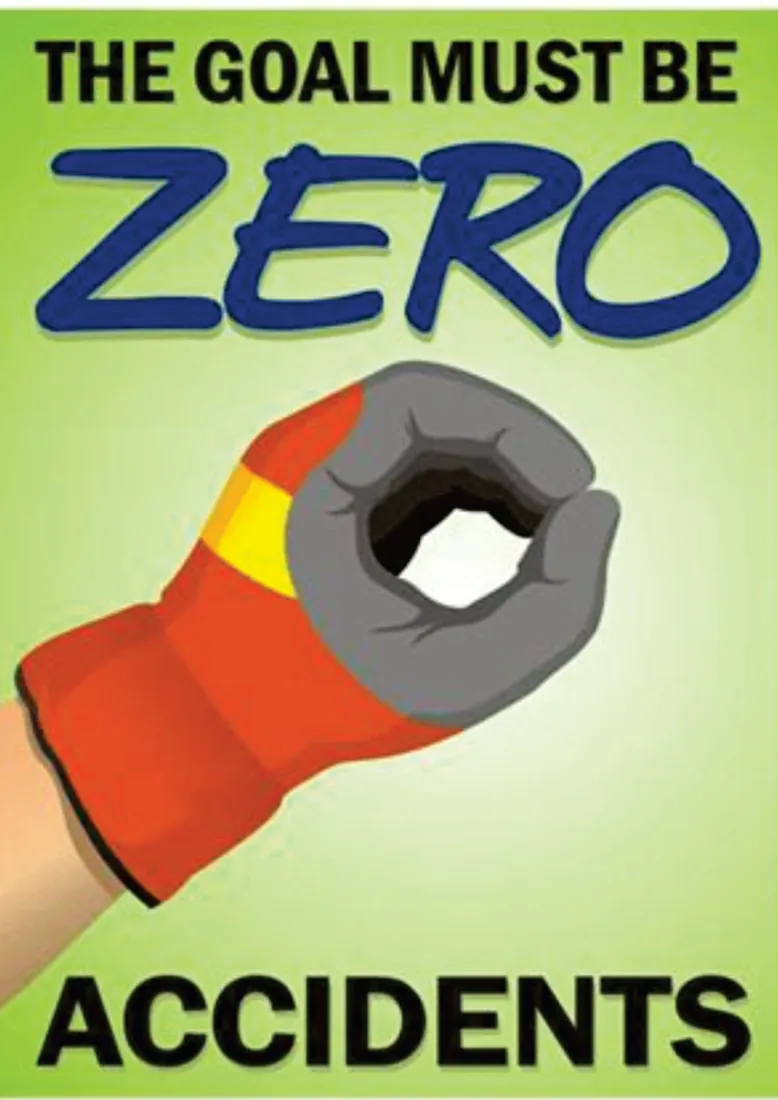
The message on every site.
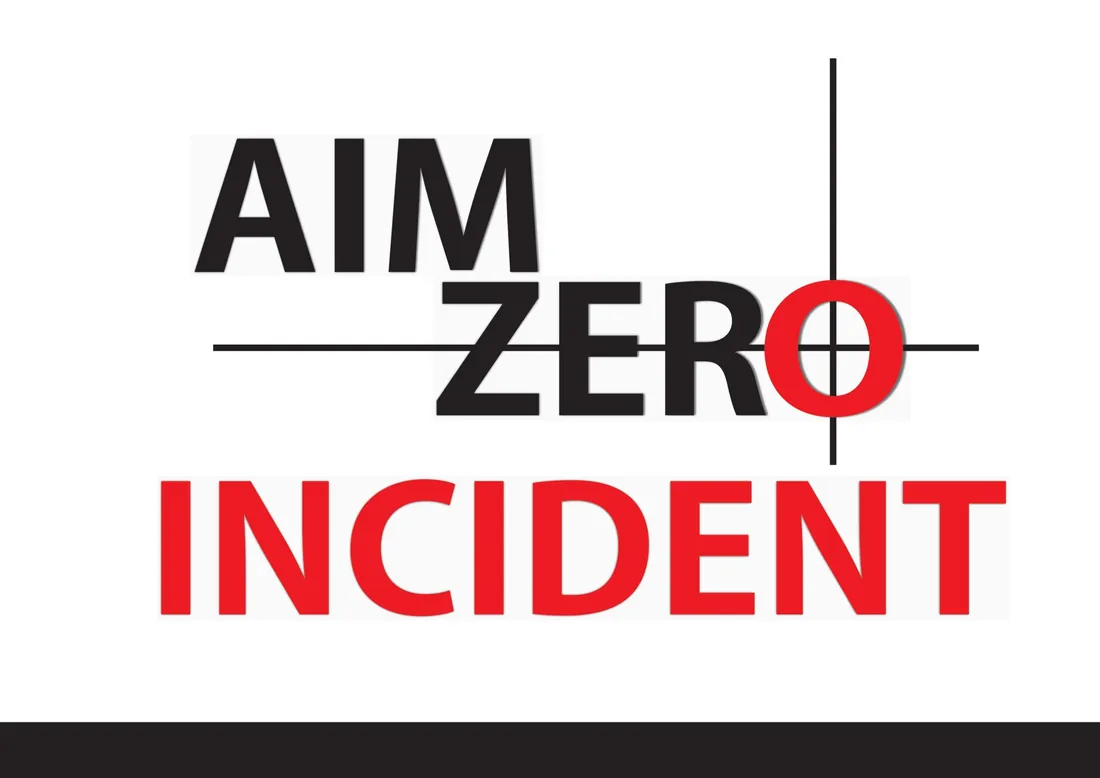
The safety awareness campaign posted across SPA project sites, so the standard is visible to every crew and every visitor.


How we hold the standard.
Quality Policy
Consistent delivery against agreed specification and client acceptance criteria on every site, driven through our Quality Management System.
Health & Safety Policy
The commitment that everyone who arrives on site goes home in the same condition, governed under an ISO 45001 OH&S management system.
Environmental Policy
Preventing pollution, protecting the environment and minimising the footprint of civil works, site power and construction.
Health & Safety Achievements
The OHS performance record: man hours worked without lost time injury, training delivered, and objectives measured against target.
From planning to handover.
HSEQ follows the project from beginning to end, not only the parts an audit would look at.
- Plan
- Mobilise
- Execute
- Inspect
- Correct
- Document
- Handover
- Plan
- Identify risks, requirements and controls.
- Mobilise
- Prepare people, equipment, materials and work methods.
- Execute
- Perform work safely and to the approved requirements.
- Inspect
- Check quality, conditions and compliance.
- Correct
- Address deficiencies, hazards and non-conformities.
- Document
- Maintain the required project evidence and records.
- Handover
- Complete final checks and deliver the work responsibly.
HSEQ in action
Fibre project
Safe excavation → controlled work area → correct PPE → cable installation → quality inspection → testing → documentation
Tower project
Foundation readiness → lifting plan → exclusion zone → competent personnel → working-at-height controls → erection → inspection
Power project
Isolation and control → competent personnel → correct tools → electrical safety → installation → testing → documentation
Civil project
Site assessment → excavation controls → plant safety → reinforcement and concrete quality → inspection → reinstatement
Safety is a prequalification.
Ask us for our HSEQ pack when you tender — we’ll send the full documentation set.